First Aid and Giving Blood
07 Jun 2025
Published in: Member News
How First Aid Training and Blood Donation Work Together in the Chain of Survival
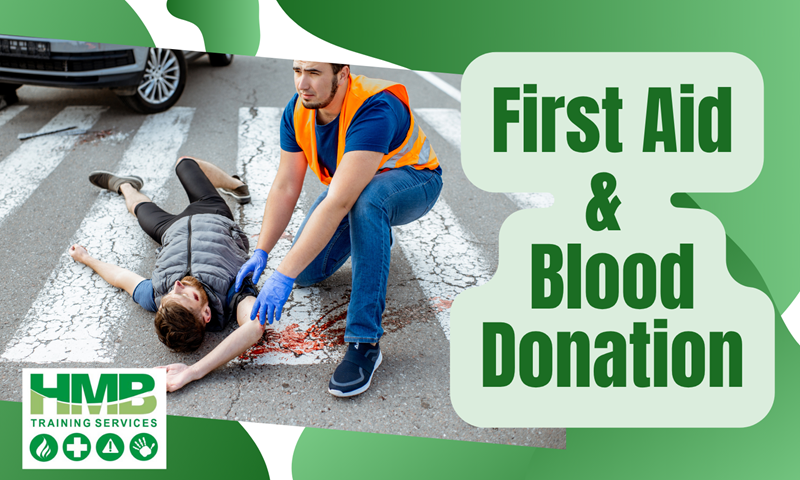
When a serious injury occurs, whether on the road, in the home, or in the workplace, bleeding can become life-threatening within minutes.
In these critical moments, two things make the greatest difference: someone with first aid training, and access to donated blood.
As we recognise World Blood Donor Day, it’s an opportunity for businesses and communities alike to reflect on their role in emergency preparedness and the wider chain of survival.
The Role of First Aid in the Workplace
First aid is not just a box-ticking exercise, it's a life-saving skill.
In workplaces where staff may handle tools, operate machinery, or work in physically demanding roles, accidents can and do happen.
Having trained first aiders on site means that:
- Bleeding can be controlled quickly
- Emergency services are supported with accurate information
- Lives can be saved before further medical help arrives
By using simple techniques like direct pressure, wound elevation, and proper dressing application, trained individuals can significantly reduce the severity of an injury or even prevent a fatality.
When First Aid Isn’t Enough
However, there are situations where bleeding is too severe for first aid alone.
Major trauma, internal bleeding, or surgical intervention requires urgent access to blood transfusions. Trauma patients may need multiple units of blood within minutes of arriving at the hospital.
Hospitals rely entirely on volunteer donors to maintain blood supplies. No synthetic alternative exists, meaning someone, somewhere, must have already donated to make that emergency care possible.
The Chain of Survival: From First Aider to Blood Donor
Think of it as a relay:
- The first aider acts at the scene
- The paramedics stabilise and transport
- The hospital team provides further treatment, including blood transfusions
But that final step is only possible if blood is available, and that comes from our communities.
First aid and blood donation are two vital links in the same chain. Both rely on training, action, and public participation, and both deserve our attention, especially this week.
What Can Employers and Organisations Do?
- Invest in First Aid Training
Make sure your staff are confident and capable in the event of an emergency. Training isn’t just about compliance, it’s about capability.
https://www.hmbtrainingservices.co.uk/courses - Encourage Blood Donation
Promote regular blood donation among staff. You could share resources, run workplace donation drives, or even partner with local blood centres.
https://www.blood.co.uk/
A Community Responsibility
As a local business, being part of the community means more than providing services, it means looking out for each other. First aid training and blood donation are two practical ways we can all contribute to a safer, stronger society.
This World Blood Donor Day, consider how your organisation can play a role in saving lives, both through immediate action and long-term support.
Read more here - https://www.hmbtrainingservices.co.uk/latest-news/stop-the-bleed-save-a-life

Comments
Post A Comment
You must be logged in to post a comment. Please click here to login.
 Our Patrons